Recurring or One-Off
Both work, and they solve different problems.
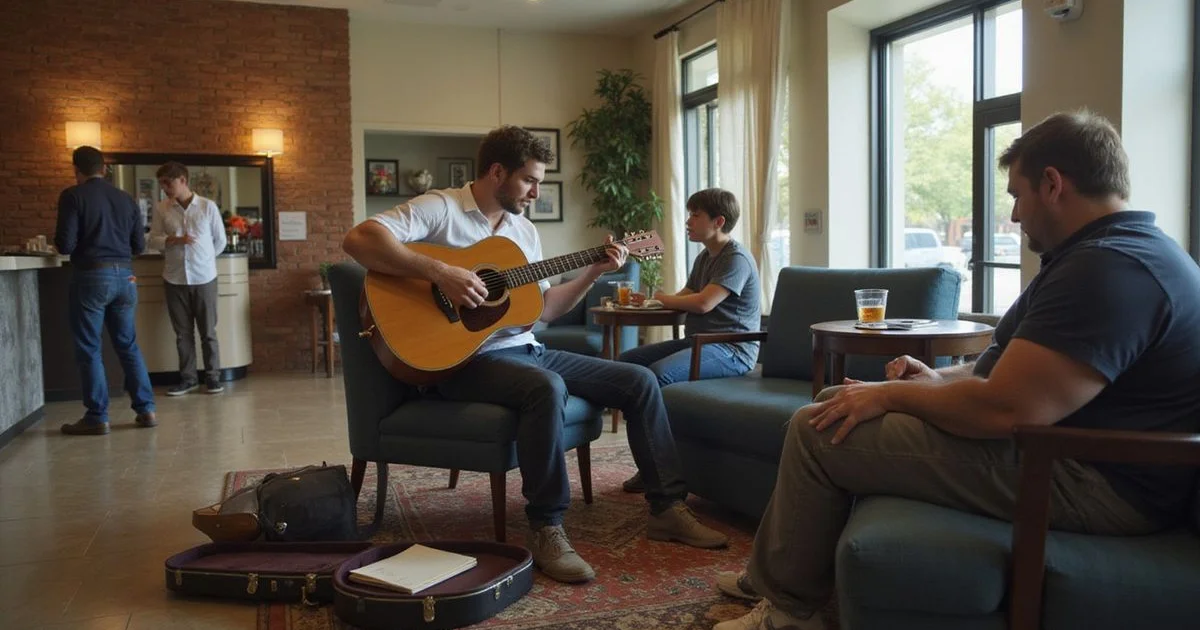
A recurring residency, the same night each week or each month, builds a small habit among your regulars. Guests start planning around it, and the room develops a reputation for a particular evening. What it demands is reliability: someone who turns up every week without being chased.
A one-off booking suits a launch, a holiday service, a private buyout, or testing whether live music fits your room before committing to a schedule.
What “Ambient” Actually Means
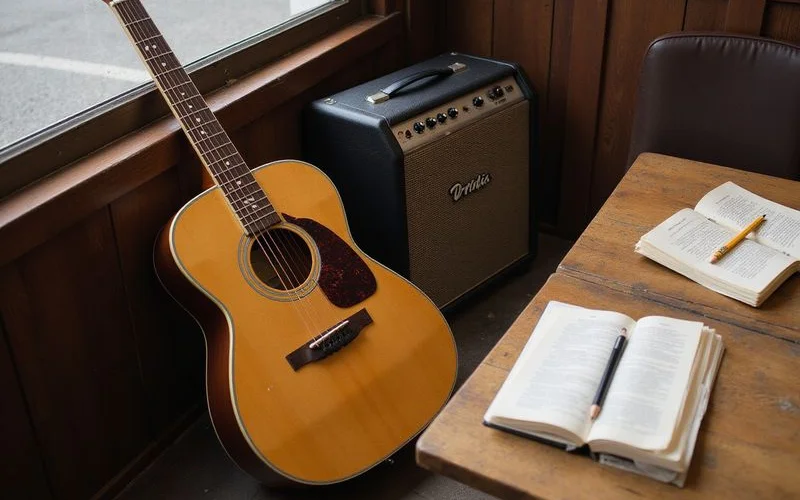
Not quiet background noise, and not a concert. The target is music that lifts the room while guests keep talking comfortably.
In practice that means familiar cover repertoire, a volume that flexes as the room fills and empties, and no long instrumental sections that pull focus. It also means a performer paying attention to the room rather than to a fixed set list, a full dining room at 8pm and a half-empty one at 5pm want different things.
Brunch and patio: brighter, lighter, mostly acoustic. Happy hour: more energy, more recognisable. Evening dining: warmer and fuller, paced so the last hour doesn’t flag. Lobby and rooftop: the most background-oriented of all.
The single most important variable
Volume. A great set at the wrong level is a complaint; an ordinary set at the right level is an asset. It gets adjusted through the service rather than set once.
What the Venue Provides
Very little:
- Space. A corner or the edge of a patio. The footprint is one player, a guitar, and a small amp.
- Power. A standard outlet within reach.
- A short conversation. Where the setup goes, what volume suits, and when breaks land.
If the venue has a house PA, using it is often simpler. Otherwise a compact system comes along. Load-in and pack-down are quiet and quick. Nobody wants a musician assembling gear in the middle of a dinner rush.
Rooms Already Played
Verified Austin bookings include Cedar Door, Geraldine’s, and Hotel Indigo Austin, with other venues across Rainey Street, South Congress, downtown, and East Austin.
What a Residency Does for a Room
A regular slot changes how guests treat a space. Thursday becomes the night with music, and a portion of your regulars start planning around it. That effect takes a few weeks to build, which is the main argument for a short run rather than a single trial date, one night tells you very little.
It also changes dwell time. A room with live music holds tables longer, which matters more for a bar or a patio than for a restaurant working a turn schedule. Worth thinking about which of those you’re optimising for before setting a start time.
Practical Details Worth Settling Early
Start and finish times. Tied to service rather than to the clock, an hour before the rush and through the peak is usually better than a fixed 7-to-10.
Break timing. Two short breaks in a three-hour set, taken at natural lulls rather than mid-rush.
Volume authority. Someone on your staff should be able to say “a bit quieter” without it being awkward. Agreeing that up front makes it routine.
Cancellation terms. Weather for patios, private buyouts, and holiday closures all come up eventually. Settling them at booking avoids an uncomfortable conversation later.
How to Enquire
Send the dates or the pattern you’re considering, the service window, and the room type. Availability and a quote come back directly, no agency layer in between, and the person you’re emailing is the person who plays.
Full detail is on the live music for restaurants and hotels page. For weddings and one-off private parties rather than venue bookings, private events is the right place to start.