Guitar Theory Lessons in Austin You Use the Same Day
For intermediate players who feel stuck, applied theory taught in-lesson, used on the song in front of you the same day.
- star 5.0 · 70+ Google reviews
- verified Taught by a gigging musician
- event_repeat Month-to-month, no contract
Theory Applied, Not Assigned
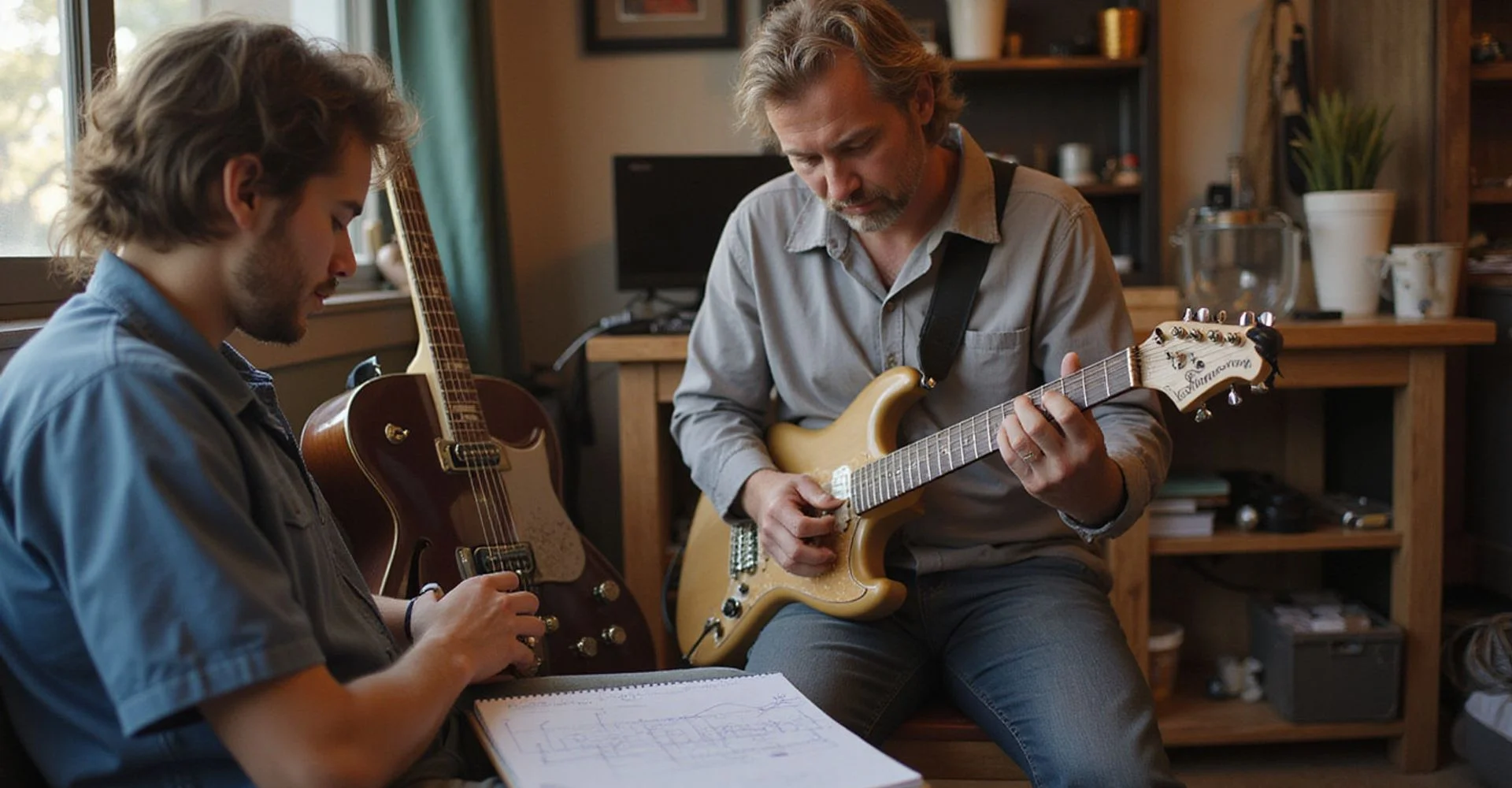
At Austin Guitar Lessons, Sameer Saleem teaches guitar theory the way most music education programs never do - applied on the fretboard the same day, on the song already in front of you. With 10 years of teaching and 100+ Austin shows a year behind the approach, every concept gets used immediately.
Learn what makes a I-IV-V progression resolve, then immediately hear it in the song you brought. Learn how a relative minor works, then find it on the neck. Learn why the fourth chord in a tune feels like a lift, then use it in something you’re writing. Whether you play acoustic or electric guitar, the concept and the sound arrive together - that is the whole difference between knowing theory and using it.
Built for the Intermediate Plateau
Intermediate players who feel stuck. You can play songs, maybe a lot of them, but it’s all memorised. You know the pentatonic shape and not much beyond it. You can’t say why a progression works, so you can’t adapt one or write your own.
That’s not a talent ceiling. It’s a missing layer, and it’s the most fixable problem in guitar. Students from South Austin to Round Rock walk in with the same gap.
Fretboard Navigation, Harmony, and the CAGED System
Fretboard note names. Unglamorous and non-negotiable. Everything else, triads, chord construction, transposing, depends on knowing where you are without counting up from the open string.
Intervals and chord construction. Why a major seventh sounds like that. How seventh chords change the emotional weight of a progression. How to build a voicing instead of recalling one.
Diatonic harmony and the circle of fifths. Key signatures, which chords live in a key, and why songs modulate where they do. This is the layer that makes writing possible and what separates copying a blues or rock guitar solo from building your own.
The CAGED system. Taught as fretboard navigation rather than five shapes to memorise. Done properly it’s how you see chord tones anywhere on the neck, which is what makes soloing over changes deliberate instead of hopeful.
Modes, when you’re ready. Useful and badly over-taught. They come in once diatonic harmony is solid, not before.
Rhythm and timing. Time signatures, subdivision, and counting. More players are weak here than in harmony, and it’s the first thing that fails in a room full of people. This is the 80/20 of guitar practice - the skill that moves your playing fastest gets the least attention.
Practical shorthand. The Nashville number system, transposing on the fly, and reading a chart the way working musicians do, so you can walk into a jam and follow along.
How Guitar Theory Lessons Compare
| Feature | Typical Music School | Austin Guitar Lessons |
|---|---|---|
| Theory approach | Homework packets and worksheets | Applied on the fretboard the same lesson |
| Class format | Group classes, 5-15 students | Private one-on-one sessions |
| Instructor | Career teacher | Gigging musician, 100+ Austin shows/year |
| Community | None included | Jam Sessions, Songwriting Circles, The Sessions - all free |
| Commitment | Semester contracts | Month-to-month, cancel anytime |
| Pricing (2026) | Varies by school | $300-$469/month |
From the Lesson to Austin Jam Sessions
Jam Sessions come free with every subscription at the East Riverside studio, and they’re the fastest test of whether theory has become instinct. Following a key change on the fly, hearing where a progression is headed, and soloing over changes rather than at them - that is theory in motion.
Start with the free 15-minute consult. Bring the specific thing you’re stuck on. If your wall is lead playing in particular, electric guitar lessons covers the same ground from the other direction, and adult guitar lessons is the broader page for restarting players.
Transparent pricing
How Much Do Music Theory Lessons Cost in Austin?
Month-to-month with community programming included.
What every subscription includes
- check_circle Free access to The Sessions, Songwriting Circles, and Jam Sessions
- check_circle Theory and playing covered in every lesson
- check_circle Detailed written recap after every lesson
- check_circle Video recap of every session (remote students)
- check_circle One-on-one jam time with drum tracks and real amps (in person)
Prices are current published subscription rates. Confirm details at your free consult.
Why choose us
Why Choose Theory Lessons Here
Applied the same lesson
Theory is used on the song in front of you the day it's taught. No worksheets, no homework packets, no gap between the concept and hearing it work.
Built for the plateau
This is the page for players who've been stuck for years. Memorised shapes with nothing underneath is a specific, fixable problem, and it's the most common one here.
The CAGED system, properly
Not five shapes to memorise, but a way to see chord tones anywhere on the neck. Done right it turns fretboard visualization from a party trick into navigation.
Rhythm counts as theory
Time signatures, subdivision, and counting are where more players are actually weak than in harmony. It gets equal weight because it's what breaks first in a room.
Practical shorthand
The Nashville number system, transposing on the fly, and reading a chart the way working musicians do, so you can walk into a jam and keep up.
Tested at the jams
Jam Sessions are included, and playing over someone else's changes in real time is what converts theory from knowledge into instinct.
The process
How Theory Lessons Works
- 1 call
Free consult
Where you're stuck, what you can already play, and which gaps are actually causing it.
- 2 grid_on
Fretboard note names
Knowing where you are on the neck without counting. Everything else depends on this.
- 3 menu_book
Harmony that explains songs
Intervals, chord construction, diatonic harmony, and why the songs you know do what they do.
- 4 play_circle
Applied on your songs
Every concept gets used the same lesson on music you brought, so it never stays abstract.
See it in action
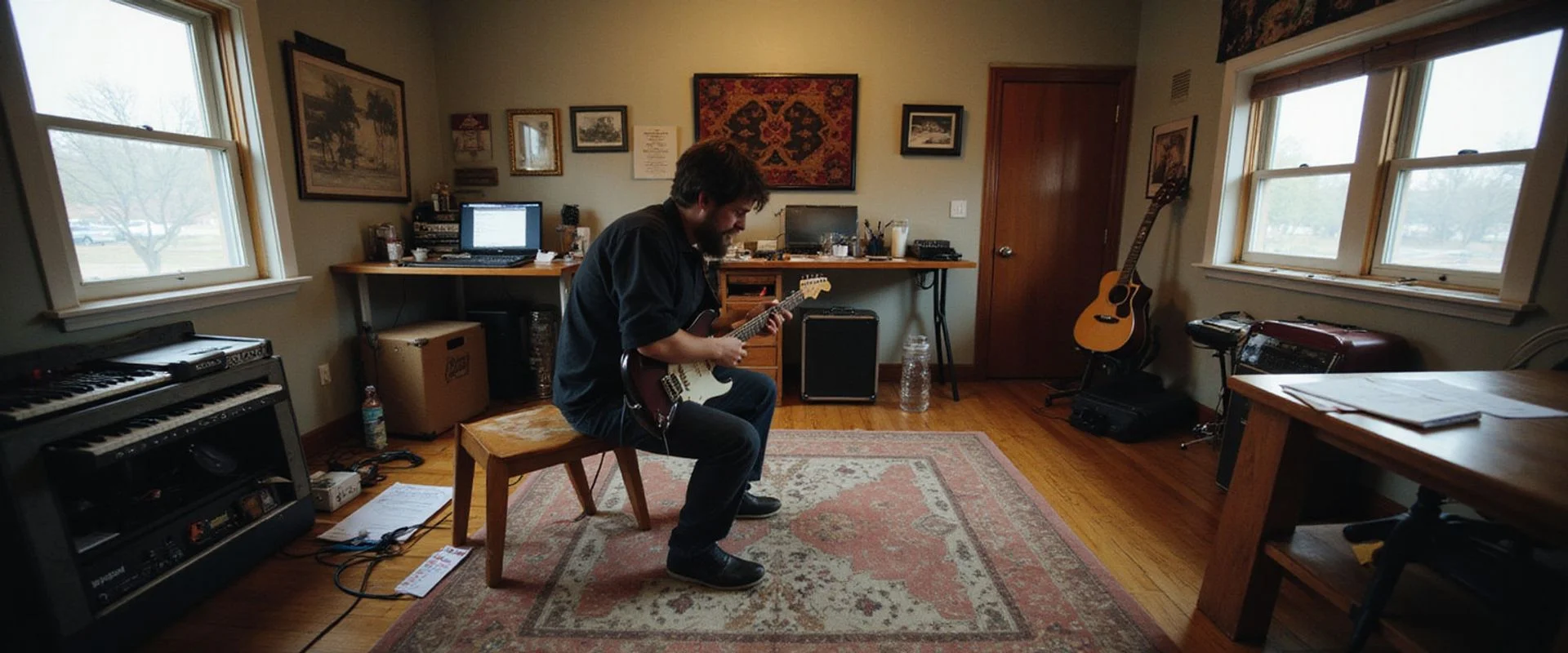
Inside the Studio
Testimonials
What Students Say About Theory Lessons
5.0 across 70+ Google reviews.
"Sameer brought me to a new level with the fretboard. I'm finally breaking out of the pentatonic boxes I'd been stuck in for years."
"Went from a complete beginner to doing my own shows around Austin. Understanding what I was playing was the turning point."
"I'd tried learning online multiple times and always quit. A real teacher connecting theory to the songs I like made all the difference."
Questions
Theory Lessons FAQs
Do I need theory to be a good guitarist? expand_more
Is this just worksheets and homework? expand_more
How long until the CAGED system actually clicks? expand_more
I'm self-taught and it's all patterns. Where do I start? expand_more
Will theory make my playing sound mechanical? expand_more
Can theory lessons be done online? expand_more
How much do guitar theory lessons cost in Austin? expand_more
Still have questions?
Bring them to the free 15-minute consult. No obligation, nothing sold on the call.
Book Free 15-Min ConsultGo deeper
Guides on Theory Lessons
Bad Rhythm and Timing: How to Fix Your Strumming
Why timing slips, how subdivision and metronome work rebuild it, and why this is the fastest-improving weakness in guitar.
The CAGED System Explained: Solo Anywhere on the Fretboard
What CAGED actually is, the five shapes, how they connect, and the practice order that makes the neck readable.
Why Practicing Scales Isn't Making You Better
Where scale drilling stalls, how to make scales musical, and what to practise instead when the reps stop paying off.
Related Lessons & Programs
Electric Guitar Lessons
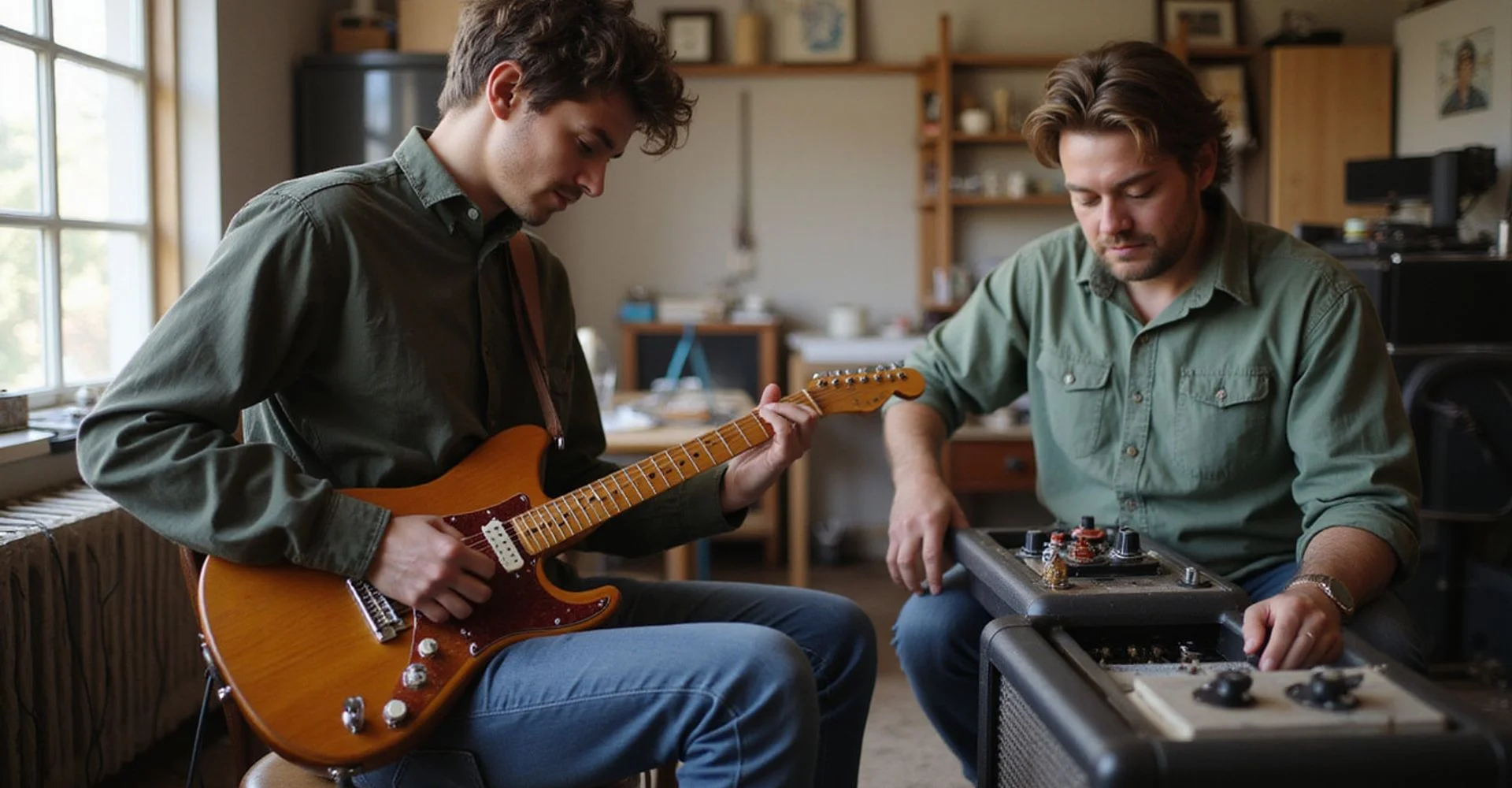
Electric-focused lessons built around tone and riffs, dialing in a rig, lead versus rhythm, and getting off the pentatonic box.
Adult Guitar Lessons
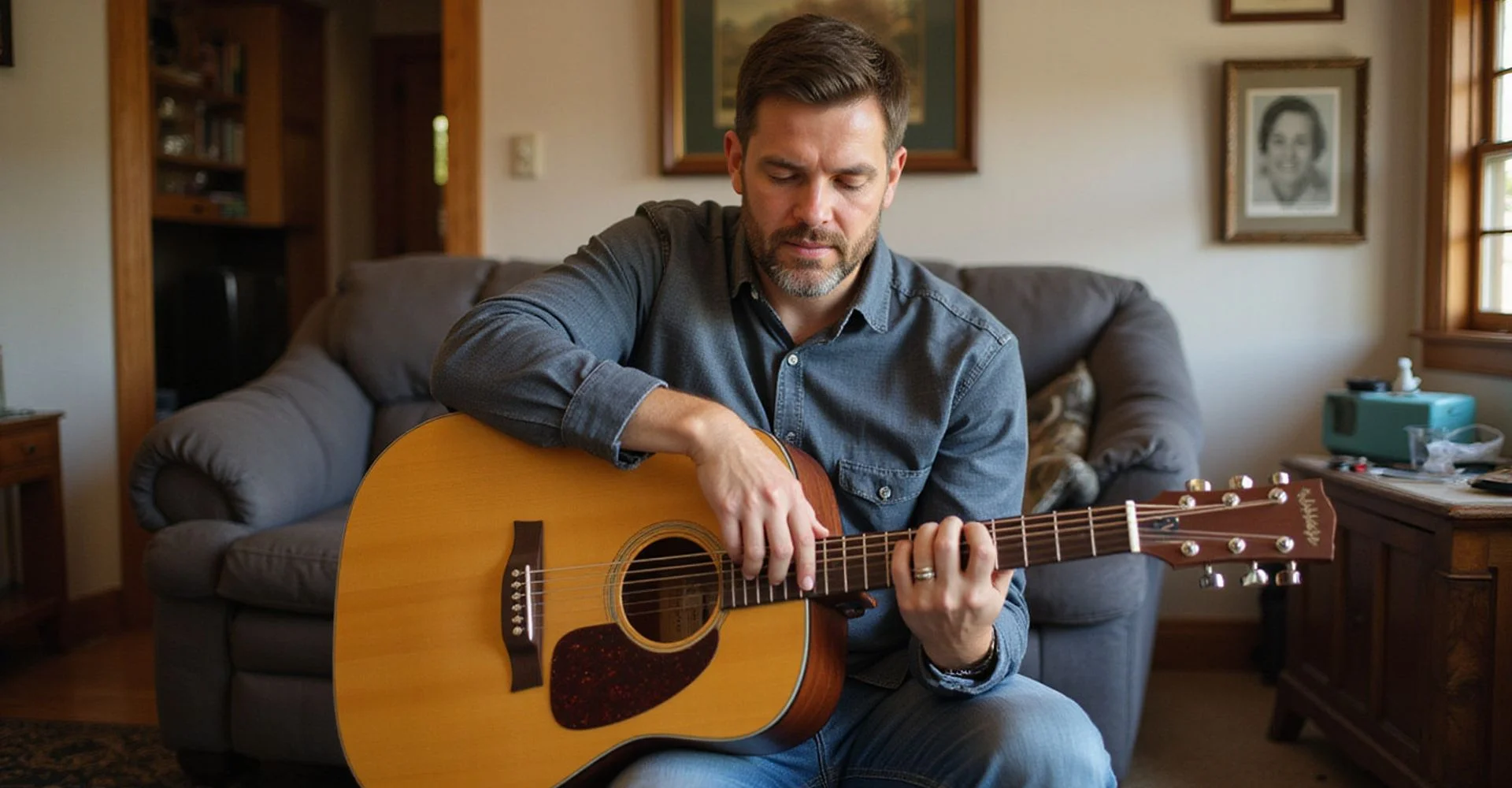
Private guitar lessons built for adults, objection-first, no wasted-years trap, a schedule that fits a working life.
Beginner Guitar Lessons
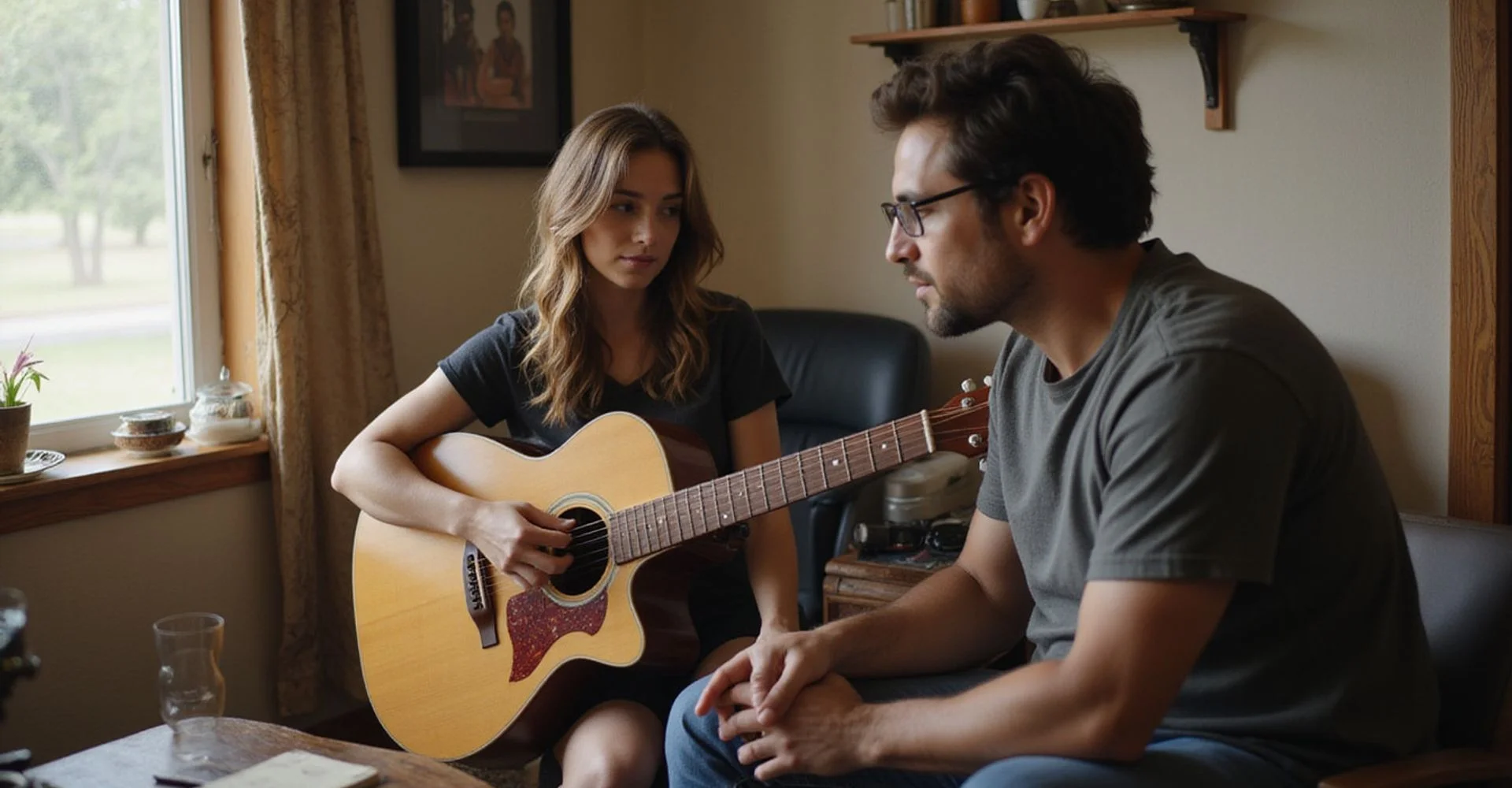
Private beginner guitar lessons in Austin - what the first eight weeks cover, what gear you need, and how quickly you play a real song.
Ready to Start Theory Lessons?
Book a free 15-minute consult and get an honest answer on whether music theory lessons fit what you're after.
- check_circle Month-to-month, no contract
- check_circle Community programming included
- check_circle In person or online